
CUSTOM GARMENT PRINTING
The Right Print Starts With the Artwork and the Fabric
Different artwork, fabrics and garment styles require different printing methods. A bold one-color logo, a photographic graphic and an all-over sportswear design should not be produced in the same way.
We support multiple garment printing methods and review the artwork, fabric, placement, quantity and intended finish before recommending the most suitable production route.
Send Your Artwork →ARTWORK & PRINT PLANNING
Start With the Design, Then Choose the Printing Method
Printing method should be selected around the artwork rather than the other way around.
Color count, image detail, print size, placement and desired surface feel all affect which process is most suitable. Fabric composition and garment color also need to be considered because the same artwork can behave differently on cotton, polyester or stretch performance fabrics.
Before production, these factors are reviewed together so the printing process fits the actual garment.
Discuss Your Print →Artwork Detail
Bold graphics, fine lines, gradients and photographic images place different demands on the printing process. Artwork is reviewed for detail, color and scale before production.
Fabric Compatibility
Cotton, polyester, blended and stretch fabrics can require different inks, pretreatment or transfer methods to achieve the intended result.
Placement & Scale
Chest, back, sleeve and other placements are reviewed against garment dimensions so the graphic remains visually balanced across the intended size range.
PRINTING METHODS
Core Printing Methods We Work With
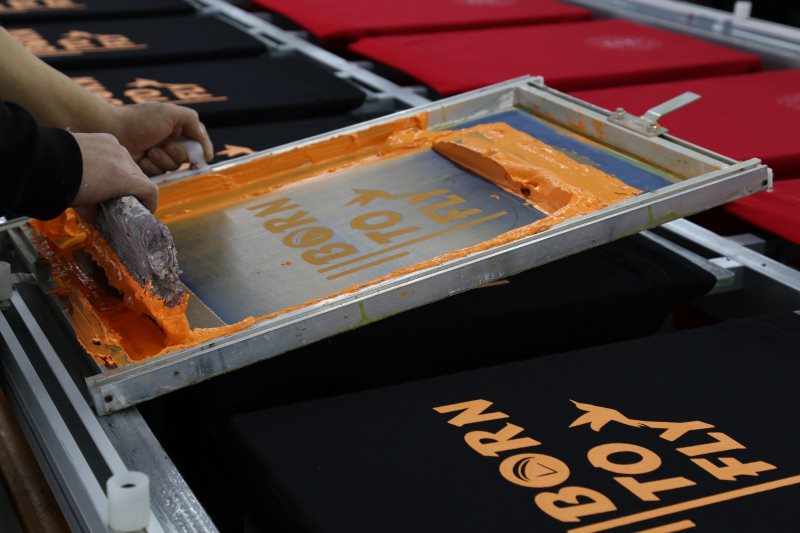
Screen Printing
A versatile option for bold graphics, logos and designs with defined colors. Screen printing is especially suitable for repeat production and larger quantities where consistent placement and color are important.
Different ink systems and surface effects can be selected according to the fabric and intended appearance.
Best For: Bold Graphics · Logos · Repeat Production
DTG Printing
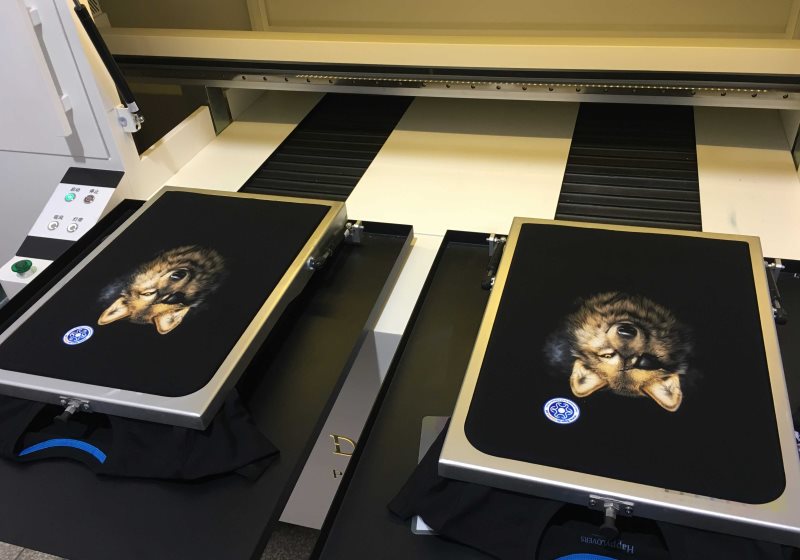
Direct-to-garment printing is well suited to detailed, multi-color and photographic artwork. The image is printed directly onto the garment, allowing fine gradients and complex graphics without requiring a separate screen for each color.
For darker garments, pretreatment and a white ink base may be used before the color layer is printed.
Best For: Detailed Artwork · Multiple Colors · Photographic Graphics
Heat Transfer
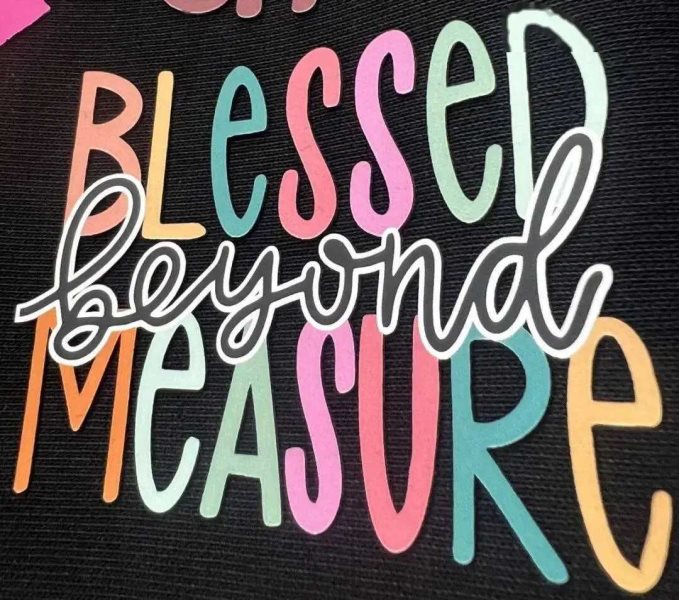
Heat transfer methods can be used for logos, graphics, names, numbers and selected detailed designs. The artwork is prepared separately and transferred onto the garment using controlled heat and pressure.
The suitable transfer material depends on the fabric, desired surface feel and end use of the garment.
Best For: Logos · Names & Numbers · Detailed Graphics
Sublimation Printing
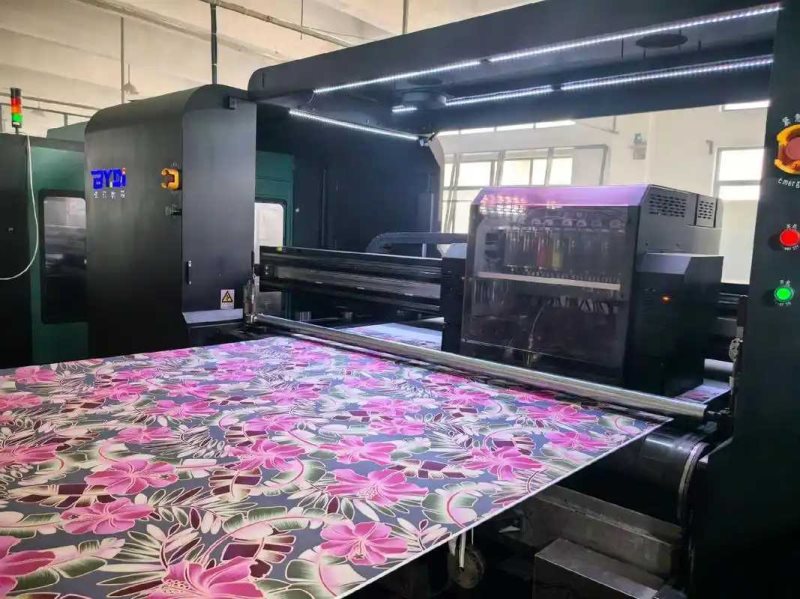
Sublimation is particularly suitable for polyester-based performance apparel where vibrant graphics, gradients and larger printed areas are required.
The color becomes part of the printed material rather than forming a heavy layer on top, making it useful for sportswear and selected all-over graphic applications.
Best For: Polyester Sportswear · Gradients · All-Over Graphics
Specialty Print Effects
Direct-to-garment printing is well suited to detailed, multi-color and photographic artwork. The image is printed directly onto the garment, allowing fine gradients and complex graphics without requiring a separate screen for each color.
For darker garments, pretreatment and a white ink base may be used before the color layer is printed.
Best For: Detailed Artwork · Multiple Colors · Photographic Graphics
SPECIALTY PRINT EFFECTS
When the Print Is Part of the Product Design
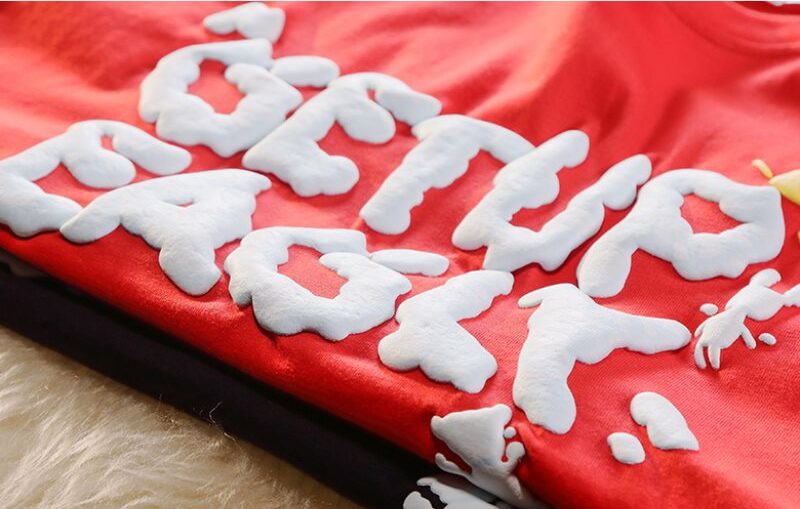
Some graphics are intended to do more than add color. Raised surfaces, textured finishes and vintage-style effects can become an important part of the garment itself.
Where a project requires a specialty finish, the artwork, ink system, fabric and washing requirements are reviewed together before the effect is approved for production.
Puff Print
Creates a raised, softer three-dimensional surface for selected lettering and graphic elements.
High-Density Print
Builds sharper raised areas with more defined edges where the artwork requires stronger dimensional structure.
Flock Effect
Adds a soft, velvety surface to selected artwork for a more tactile graphic finish.
Vintage / Distressed Print
Selected printing and finishing techniques can create intentionally aged or worn graphic effects for vintage-inspired garments.
PRINTING ON DARK GARMENTS
Dark Garments Need a Different Printing Approach
Printing on dark fabric often requires additional preparation because the base garment color can influence how the printed colors appear.
For selected direct-to-garment applications, the garment is pretreated and a white ink base is printed before the color layer. This helps the artwork remain visible and maintain stronger color definition on darker fabrics.
The pretreatment, white base and color layers need to work together with controlled drying and curing to achieve the intended result.
Pretreatment
The garment is prepared before printing where the selected print process requires it.
White Ink Base
On darker garments, a white base can provide the foundation needed for the artwork colors to remain visible.
Color Printing
The final artwork is printed over the prepared base according to the approved design.
Drying & Curing
Controlled heat is used according to the printing system to complete the process and stabilize the finished print.
PRINT QUALITY CONTROL
A Print Should Look Right on the Garment, Not Just on the Screen
The final result is influenced by more than the artwork file. Placement, color appearance, surface quality and compatibility with the garment all need to be reviewed during production.
Approved print details provide the reference for bulk production so the artwork does not need to be interpreted again each time the style is produced.
Print Placement
Artwork position is checked against the garment and approved placement requirements.
Color Appearance
Printed colors are reviewed against the approved reference while taking the garment base color and printing process into account.
Surface Quality
Visible defects, incomplete printing, unwanted marks and overall print appearance are reviewed before packing.
Sample-to-Bulk Reference
Approved artwork size, placement and print effect are carried forward as production references for the order.
CHOOSING A PRINT METHOD
Not Every Design Needs the Same Printing Process
Your Design
Suggested Direction
Bold logo or simple graphic
Screen Printing
Detailed full-color artwork
DTG
Sportswear all-over graphics
Sublimation
Names, numbers or selected logos
Heat Transfer
Raised or textured graphic
Puff / High Density