CUSTOM PANTS & BOTTOMS
Custom Pants Built Around Fit, Fabric and Function
We develop and manufacture joggers, sweatpants, casual pants, cargo styles and selected cut-and-sew bottoms for apparel brands. From waist and rise proportions to fabric behavior, pockets and finishing details, each style is developed around the intended silhouette and use.
Send Your Pants Design →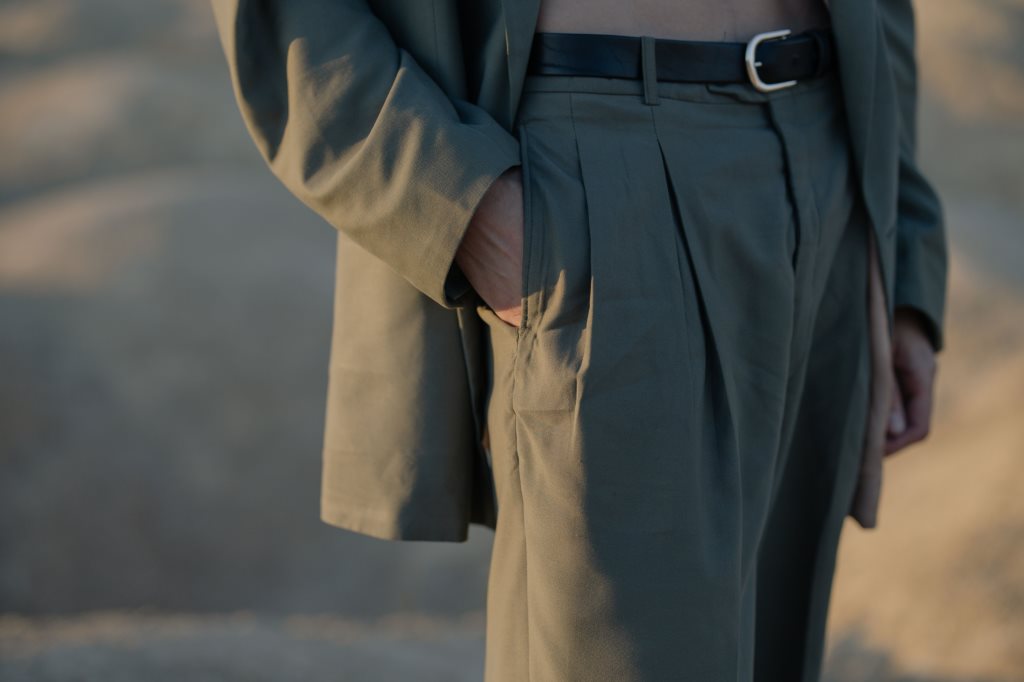
FIT & PROPORTION
01
Good Pants Begin With the Right Balance
Waist, rise, hip, thigh and leg shape all work together to determine how a pair of pants looks and feels. A small change in one area can affect the balance of the entire silhouette.
During sampling, we review these proportions together according to the intended fit, whether the goal is a tapered jogger, relaxed straight-leg pant, wide-leg silhouette or more structured utility style.
The pattern is refined around the way the garment should sit at the waist, move through the hip and fall through the leg before bulk production begins.
Develop Your Pants →Waist & Rise
Waist position and front and back rise affect both comfort and visual proportion. These measurements are developed together according to whether the style is intended to sit high, mid or lower on the body.
Hip & Thigh Balance
The relationship between hip, seat and thigh measurements influences mobility, drape and overall fit. These areas are adjusted according to the silhouette rather than simply graded from one standard block.
Leg Shape
Straight, tapered, relaxed and wide-leg silhouettes require different proportions from thigh to hem. Leg shape is developed together with fabric behavior to achieve the intended finished appearance.
FABRIC & DRAPE
02
The Same Pattern Can Look Completely Different in Another Fabric
Fabric stretch, drape, weight and structure can dramatically change the appearance of a pair of pants.
We work with cotton blends, performance knits, woven fabrics, fleece, rayon blends and other materials depending on the intended product. A soft draping wide-leg pant, structured cargo style and relaxed sweatpant each require a different relationship between fabric and pattern.
Material selection is therefore considered together with the silhouette, comfort requirements and intended use of the garment.
Explore Pants Fabrics →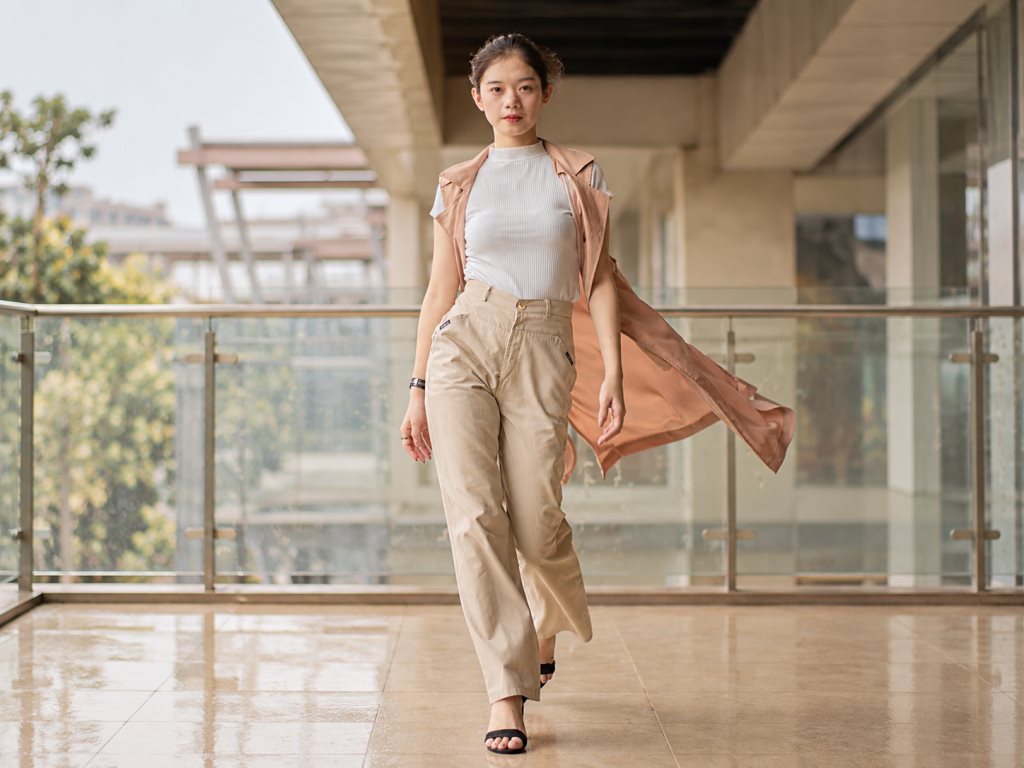
Drape
Softer fabrics create more fluid movement and are well suited to relaxed and wide-leg silhouettes, while fabric weight and surface finish influence how naturally the garment falls.
Structure
More structured woven or heavier fabrics can help utility, cargo and straight-leg styles maintain a stronger silhouette and more defined construction.
Stretch & Comfort
Stretch fibers and knit constructions can add comfort and mobility where the product requires greater freedom of movement without losing the intended shape.
FUNCTIONAL CONSTRUCTION
03
The Details Decide How Pants Work in Everyday Wear
Pants are used through constant sitting, walking, bending and movement, so functional details need to work together with the pattern rather than being added after the silhouette is complete.
Waistband construction, pockets, zippers, drawcords and hem systems can all influence comfort, usability and appearance. These elements are reviewed during development so the final garment feels considered from the waist to the hem.
BOTTOMS CONSTRUCTION OPTIONS
Elastic Waistbands · Custom Pockets · Zippers · Drawcords · Adjustable Hems
Waistband Construction
Elastic waistbands, drawcord systems, shaped waistbands and traditional fly constructions can be developed according to the style, fabric and level of structure required.
Pocket Design
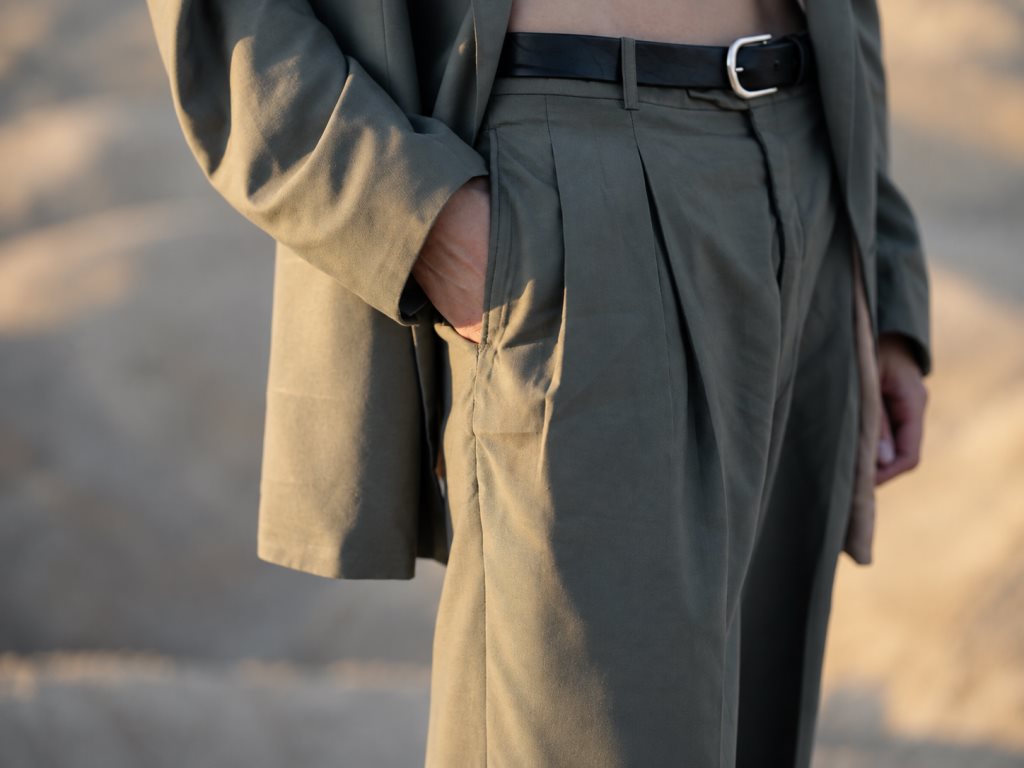
Side pockets, welt pockets, cargo pockets and concealed zip pockets require different construction methods. Placement, opening size and reinforcement are considered together with the intended use of the garment.
Adjustable Hems & Leg Details
Elastic cuffs, drawcord hems, zippers and adjustable openings can change both function and silhouette, allowing the same garment to offer different wearing options.
DETAILS THAT MATTER
04
Pants Reveal Fit Problems Faster Than Most Garments
Small errors in rise, pocket position, waistband tension or leg balance can become very noticeable once the garment is worn. Good pants require these details to work together rather than being corrected individually at the end of development.
Rise & Seat Shape
Front rise, back rise and seat shaping influence how the garment sits through the waist and hip, especially during sitting and movement.
Waistband Stability
Elastic tension, waistband height and internal construction should match the weight of the garment so the waist remains comfortable and stable during wear.
Pocket Placement
Pocket position can affect both usability and visual proportion. Placement is reviewed against the garment size and silhouette rather than treated as a fixed detail.
Seam & Leg Alignment
Side seams, inseams and panel lines need to remain balanced so the leg hangs correctly instead of twisting or pulling after construction.
Hem Construction
Open hems, elastic cuffs, drawcords and adjustable systems each create a different finished shape and should be developed around the intended wearing style.