
CUSTOM EMBROIDERY
Embroidery Should Work With the Garment, Not Against It
Embroidery is more than placing a logo on fabric. Artwork, stitch density, thread, backing and fabric structure all affect how the finished design looks and how the garment behaves around it.
We support custom embroidery for hoodies, sweatshirts, T-shirts, sportswear, outerwear and selected apparel, with artwork and construction reviewed before production begins.
Send Your Embroidery Design →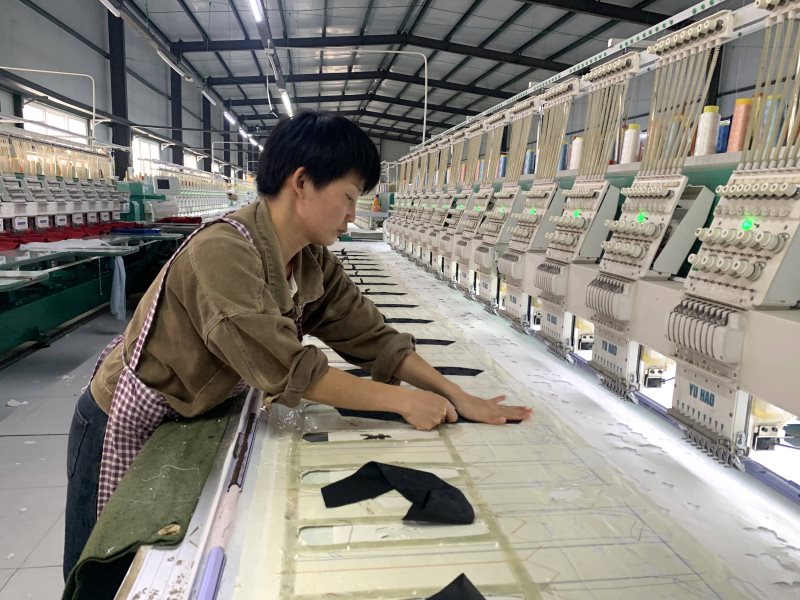
ARTWORK & DIGITIZING
A Good Embroidery Result Starts Before the Machine Runs
A logo designed for a screen does not automatically translate well into embroidery. Very small lettering, thin lines, tight curves and dense areas may need to be adjusted before stitching begins.
The artwork is converted into an embroidery file with stitch direction, density, sequence and thread changes planned around the design and the garment material.
Where needed, details can be simplified or adjusted so the embroidered result remains recognizable without creating unnecessary bulk or distortion.
Send Your Artwork →Artwork Review
Logo size, lettering, line thickness and fine details are reviewed before digitizing so potential problems can be identified before embroidery begins.
Embroidery Digitizing
The artwork is translated into stitch information, including stitch direction, density, sequence and thread changes according to the design.
Sample Approval
Where required, an embroidery sample can be reviewed for size, color, density and overall appearance before the design moves into bulk production.
EMBROIDERY QUALITY
Thread, Tension and Backing All Matter
Embroidery quality depends on more than the machine itself. Thread tension, backing, hooping, stitch density and fabric stability all influence whether the design sits cleanly on the garment.
A dense logo on heavyweight fleece behaves very differently from the same embroidery on lightweight jersey or stretch fabric. The embroidery setup therefore needs to match both the artwork and the garment.
Our team reviews these variables before bulk production to reduce puckering, distortion, loose stitches and unnecessary stiffness around the embroidered area.
Discuss Your Embroidery →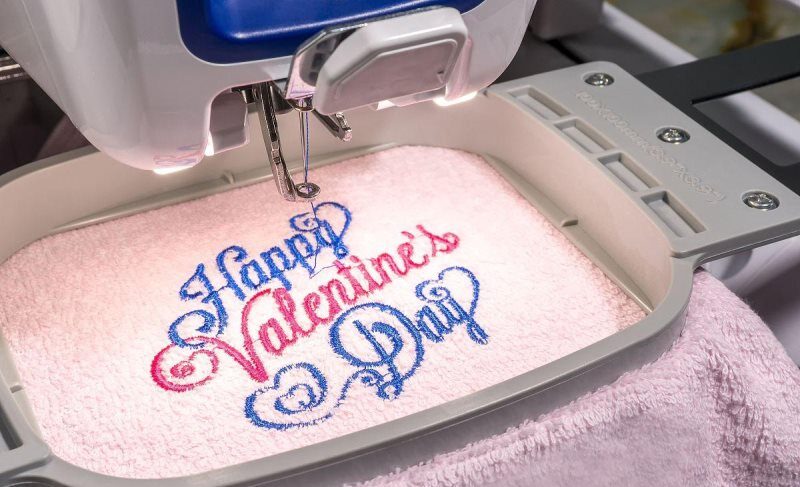
Thread & Tension
Suitable thread and balanced machine tension help keep stitches clean and consistent while reducing loose threads, thread breaks and uneven surfaces.
Backing & Stabilization
Backing helps stabilize the fabric during embroidery. The type and weight should be selected according to the garment material, stitch density and intended finished feel.
Hooping & Placement
Correct hooping and position help keep the fabric stable and the embroidery aligned, especially where placement needs to remain consistent across different garment sizes.
EMBROIDERY OPTIONS
Different Designs Need Different Embroidery Techniques
The best embroidery method depends on the artwork, fabric, placement and the visual effect the brand wants to achieve.
A clean chest logo may only require conventional flat embroidery, while heavier hoodies or statement graphics can benefit from raised, patch or appliqué-based techniques.
Flat Embroidery
A versatile option for logos, lettering and graphic details across many apparel categories. Stitch density and backing are adjusted according to the fabric and artwork.
3D Puff Embroidery
Foam is placed beneath selected stitched areas to create a raised effect. It works particularly well for bold lettering and simpler shapes on heavier garments such as hoodies and sweatshirts.
Embroidered Patches
Artwork can be embroidered onto a separate patch and then applied to the garment. This provides more flexibility for selected fabrics, placements and higher-density designs.
Appliqué Embroidery
Fabric pieces can be incorporated into the embroidered design to create larger graphics with added texture while reducing the need to fill the entire area with dense stitching.
FABRIC & GARMENT COMPATIBILITY
The Same Logo Cannot Be Embroidered the Same Way on Every Fabric
Fabric weight, stretch and surface structure affect how embroidery should be prepared. The design may need different backing, density or stabilization depending on the garment it is applied to.
Hoodies & Sweatshirts
Heavier fleece and French terry can support denser embroidery and raised effects, but stitch density and placement still need to suit the garment structure.
T-Shirts & Jersey
Lightweight knitted fabrics require more careful stabilization to help reduce puckering, distortion and excessive stiffness around the embroidery.
Activewear
Stretch fabrics need embroidery setups that account for elasticity and movement so the decoration does not unnecessarily restrict the garment.
Outerwear
Placement, lining and functional fabric construction need to be considered before embroidery is applied to jackets and technical garments.
IN-HOUSE EMBROIDERY
Closer Control From Sample to Bulk Production
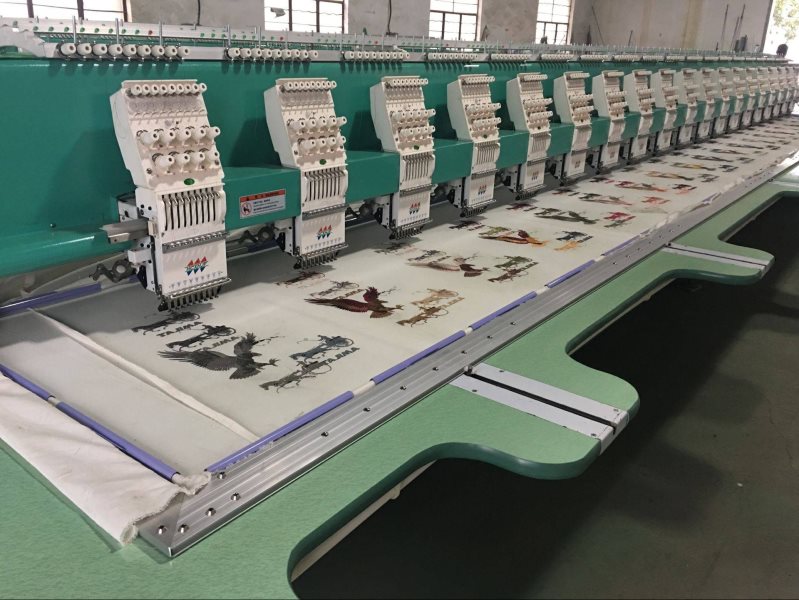
Keeping embroidery within our production workflow allows the garment and decoration to be managed as one project rather than two separate jobs.
Placement, thread color, artwork scale and workmanship can be reviewed together with the garment during sampling. Once approved, those requirements are carried into bulk production and checked before the finished garments move to packing.
This also makes it easier to coordinate embroidery with sewing, washing, labels and other finishing requirements.
Start Your Embroidery Project →Sample-to-Bulk Control
Approved embroidery size, placement, colors and workmanship provide the reference for production.
Integrated Production
Embroidery can be coordinated with garment production, washing and finishing rather than managed as an isolated process.
Final Inspection
Finished embroidery is reviewed for placement, visible workmanship, loose threads and overall appearance before packing.
BRAND DETAILS
Small Details Can Carry a Large Part of Your Brand Identity
Embroidery is often one of the most visible details on a garment. A well-executed logo, patch or stitched graphic can add texture, durability and a more considered finish without changing the entire garment design.
For brands, the goal is not simply to add decoration, but to make sure the decoration feels like part of the product.