
GARMENT DYEING & WASHING
Color, Wash and Finish Can Change the Entire Garment
Color is only one part of the finished look. Dyeing, garment washing and finishing can also affect hand feel, surface character, shrinkage and the way a garment develops its final appearance.
We work with brands to review the fabric, color direction and intended finish before selecting a suitable process for the product.
Send Your Color & Finish Reference →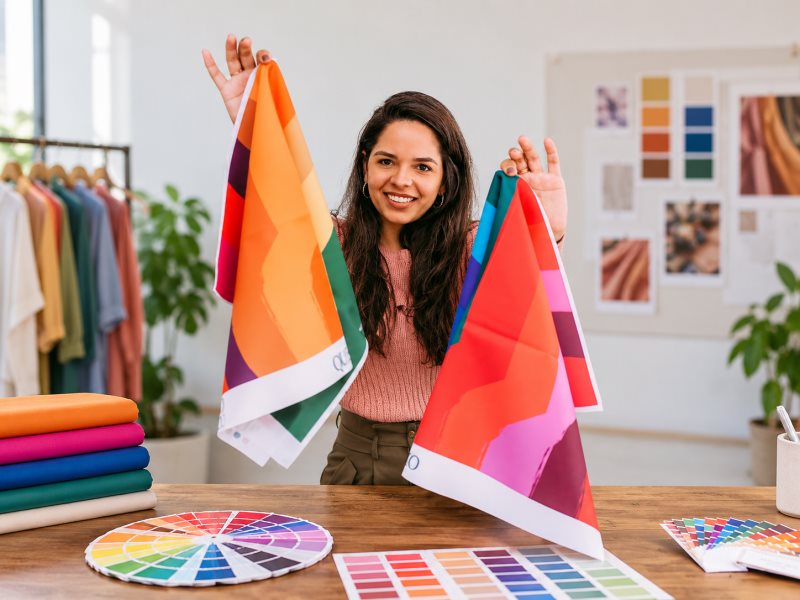
COLOR DEVELOPMENT
Start With the Color You Want to Achieve
Custom color development begins with a clear reference. This may be a Pantone color, fabric swatch, existing garment or visual reference provided by the brand.
The final result can vary depending on fiber composition, fabric structure and the selected dyeing method, so color approval should be based on the actual material whenever possible rather than a screen reference alone.
For custom colors, we review the fabric and quantity requirements before recommending the most practical route for sampling and production.
Discuss Your Color →Pantone & Color References
Pantone codes, physical swatches and existing garments can be used as color references during development. Physical approval helps reduce differences between digital color expectations and the finished material.
Fabric Matters
Cotton, polyester, nylon and blended fabrics can respond differently to color processes. Fiber content and fabric construction need to be considered before the dyeing method is confirmed.
Color Approval
Where custom color development is required, color samples can be reviewed before the main production stage so the approved direction is clear.
DYEING OPTIONS
Different Color Effects Require Different Processes
The right dyeing method depends on the fabric, garment construction, desired appearance and production quantity.
Some projects require a clean and consistent solid color, while others are developed around uneven, faded or multi-tone effects. The process should be selected according to the final product rather than simply the color itself.
Garment Dyeing
Garment dyeing can be used to create color after the garment has been assembled, allowing the fabric, seams and finished product to develop a more integrated appearance.
Tie-Dye Effects
Tie-dye techniques can create irregular and individual color patterns for selected garments. Color combinations and pattern placement are developed around the fabric and desired visual effect.
Dip-Dye & Gradient Effects
Dip-dye and gradient treatments can create controlled transitions between colors or tones, giving the garment a more distinctive visual finish.
Custom Color Development
For styles requiring a specific color direction, the fabric, fiber composition, quantity and finish are reviewed before the most suitable color process is selected.
GARMENT WASHING & FINISHING
Washing Can Change More Than the Color
Garment washing can influence softness, surface appearance, dimensional behavior and the overall character of the finished product.
For hoodies, T-shirts and casual apparel, different washing and finishing techniques can be used to create cleaner, softer, faded or more vintage-looking results. The treatment is selected according to the fabric, construction and effect the brand wants to achieve.
Because washing can also affect measurements and trims, these factors should be considered during product development rather than after bulk production has already been completed.
Develop Your Wash Effect →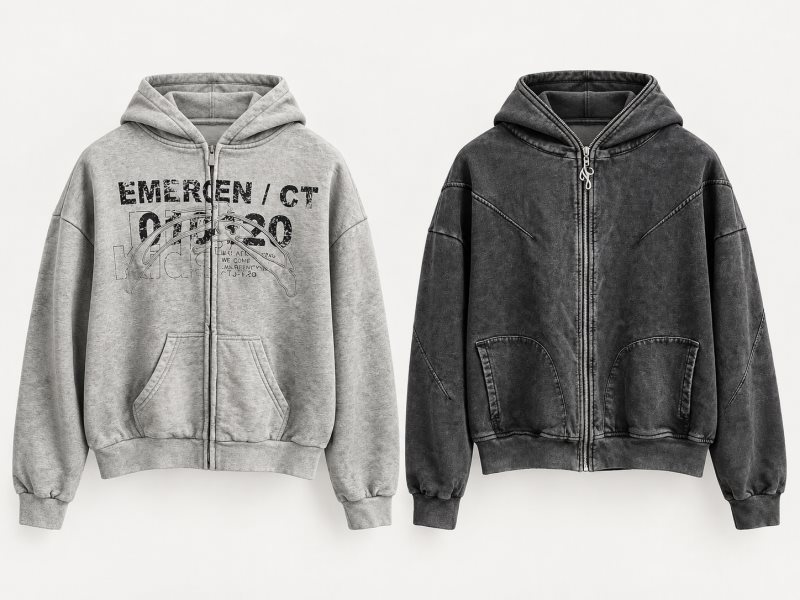
Softening & Hand Feel
Selected washing processes can reduce stiffness and change the hand feel of the finished garment, helping create a softer and more worn-in character where required.
Faded & Vintage Effects
Controlled washing and finishing can create washed-down color, aged surface effects and more variation in appearance for vintage-inspired collections.
Distressed Finishing
Grinding and selected distressed treatments can be applied to areas such as ribs, edges and seams to create more deliberate worn-in details.
COLOR & WASH CONTROL
The Finish Is Only Successful If the Garment Still Works
A good color or wash effect should not come at the expense of the garment itself. After processing, appearance, measurements, trims and workmanship need to remain within the intended product requirements.
Where required, samples can be reviewed after washing or color treatment before the process is applied to bulk production.
Color Appearance
Color consistency and the intended surface effect are reviewed against the approved reference.
Dimensional Change
Key measurements can be checked after processing where shrinkage or dimensional change may affect the finished fit.
Trims & Decoration
Labels, prints, embroidery, ribs and other components need to remain compatible with the selected wash or dyeing process.
Finished Hand Feel
The final surface and softness are reviewed according to the intended product direction rather than color alone.