
FABRIC SOURCING & SELECTION
The Right Garment Starts With the Right Material
Fabric affects far more than the appearance of a garment. Weight, stretch, recovery, drape, surface feel and construction all influence how the finished product fits, moves and performs.
We help brands source and review fabric options according to the product they are developing, from activewear and technical outerwear to hoodies, T-shirts and casual apparel.
Tell Us What You're Looking For →MATERIAL SELECTION
Start With the Product, Not the Fabric Name
The same fiber composition can behave very differently depending on yarn, knit structure, weight and finishing.
That is why we do not select material based on composition alone. We first look at the garment being developed, how it should fit, how it will be worn and what kind of hand feel or performance the brand wants to achieve.
These requirements help narrow the fabric options before sampling begins.
Discuss Your Fabric Requirements →Product Use
A yoga legging, heavyweight hoodie and technical jacket place very different demands on the material, even when some of their basic specifications appear similar.
Fit & Silhouette
Stretch, drape and fabric structure are considered together with the pattern because the material can significantly change the way the same silhouette sits on the body.
Hand Feel & Appearance
Surface texture, softness, weight and finishing are reviewed according to the visual and tactile direction the brand wants for the finished product.
FABRIC CATEGORIES
Fabric Categories We Work With
01 Performance Stretch Fabrics
Activewear · Yoga Wear · Training Wear
Nylon-spandex, polyester-spandex and other stretch fabrics are available in different weights, stretch levels and surface finishes. Selection is based on factors such as recovery, compression, opacity, softness and intended activity.
02 Jersey & Knit Fabrics
T-Shirts · Tops · Casual Apparel
Single jersey, interlock and other knitted structures can be sourced in different cotton, polyester and blended compositions, with weight and finishing selected according to the intended drape and hand feel.
03 French Terry & Fleece
Hoodies · Sweatshirts · Joggers
French terry, brushed fleece and heavier sweatshirt fabrics offer different levels of warmth, structure and softness. GSM and inner construction are selected according to the intended season and silhouette.
04 Technical Woven Fabrics
Jackets · Windbreakers · Outdoor Apparel
Lightweight woven, coated, laminated and softshell materials can be reviewed according to the required balance of protection, breathability, weight and garment construction.
05 Casual & Structured Wovens
Pants · Shirts · Utility Apparel
Cotton twill, blended woven fabrics and other structured materials can be selected according to drape, durability, stretch and the intended shape of the garment.
WHAT WE LOOK AT
Composition Is Only One Part of the Specification
Two fabrics labeled with the same fiber composition can still produce very different garments. When reviewing material options, we look beyond the percentage printed on the fabric specification.
GSM & Weight
Fabric weight affects structure, warmth, opacity and the way the finished garment falls.
Stretch & Recovery
For stretch garments, both elasticity and the ability to return to shape influence fit and long-term appearance.
Drape & Structure
Some products need fluid movement while others require enough body to hold a more defined silhouette.
Surface & Hand Feel
Brushing, washing, yarn choice and finishing can create noticeably different levels of softness, smoothness and texture.
Opacity & Coverage
For selected activewear and lighter fabrics, stretch behavior and fabric structure are considered together when evaluating coverage.
Compatibility With Construction
The material also needs to work with the intended sewing, bonding, printing, embroidery or washing process.
SOURCING & APPROVAL
From Fabric Reference to Production Material
Brands do not always start with a complete fabric specification. Some provide a composition and GSM, while others send a reference garment, swatch or simply describe the hand feel and performance they want.
Based on the available information, suitable material options can be sourced and narrowed down before sampling.
Share Your Reference
Send a fabric specification, swatch, reference garment, product image or description of the material you want.
Review Suitable Options
Available options are compared according to composition, weight, structure, stretch, hand feel and the requirements of the garment.
Sample the Garment
The selected material is evaluated in the actual product because fabric behavior can change once it is cut, sewn and worn.
Confirm for Production
Once the material and sample are approved, the confirmed fabric specification becomes part of the production reference.
FABRIC & CONSTRUCTION
A Good Fabric Still Needs the Right Construction
Material selection cannot be separated from garment construction. A highly elastic fabric may require different seams from a stable jersey. A bonded outerwear fabric needs to work with the adhesive and seam-sealing process. A heavyweight fleece may require changes in rib, needle selection and seam handling.
For this reason, fabric decisions are reviewed together with pattern, sewing and finishing requirements before the product is finalized.
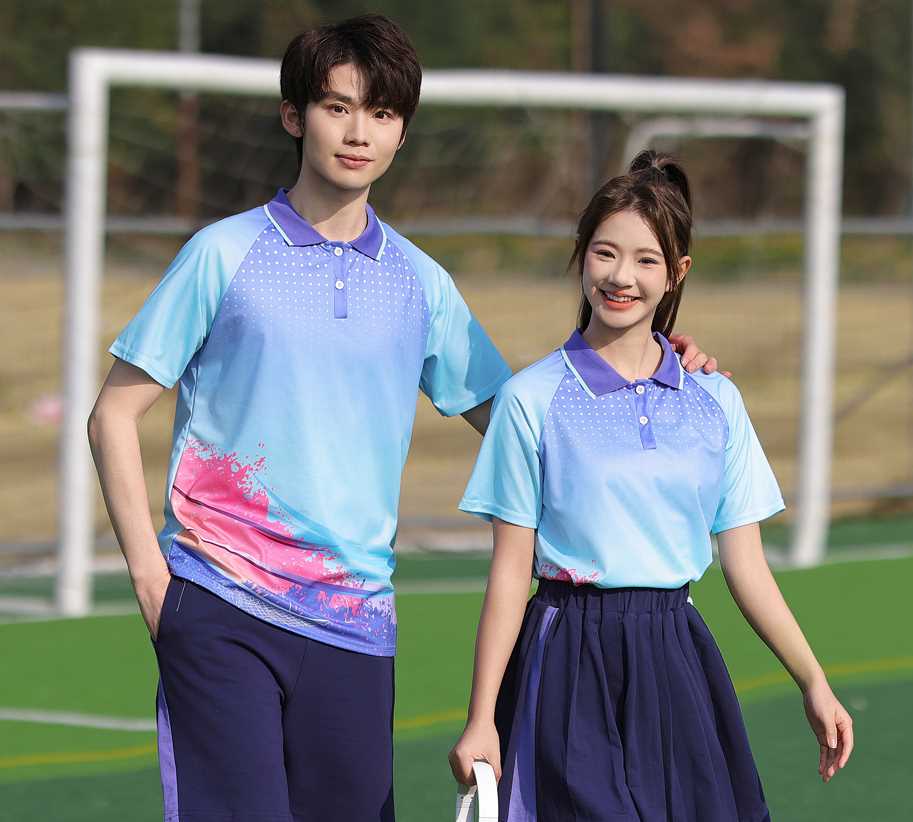
Activewear
Stretch Fabric + Flatseam / Bonding
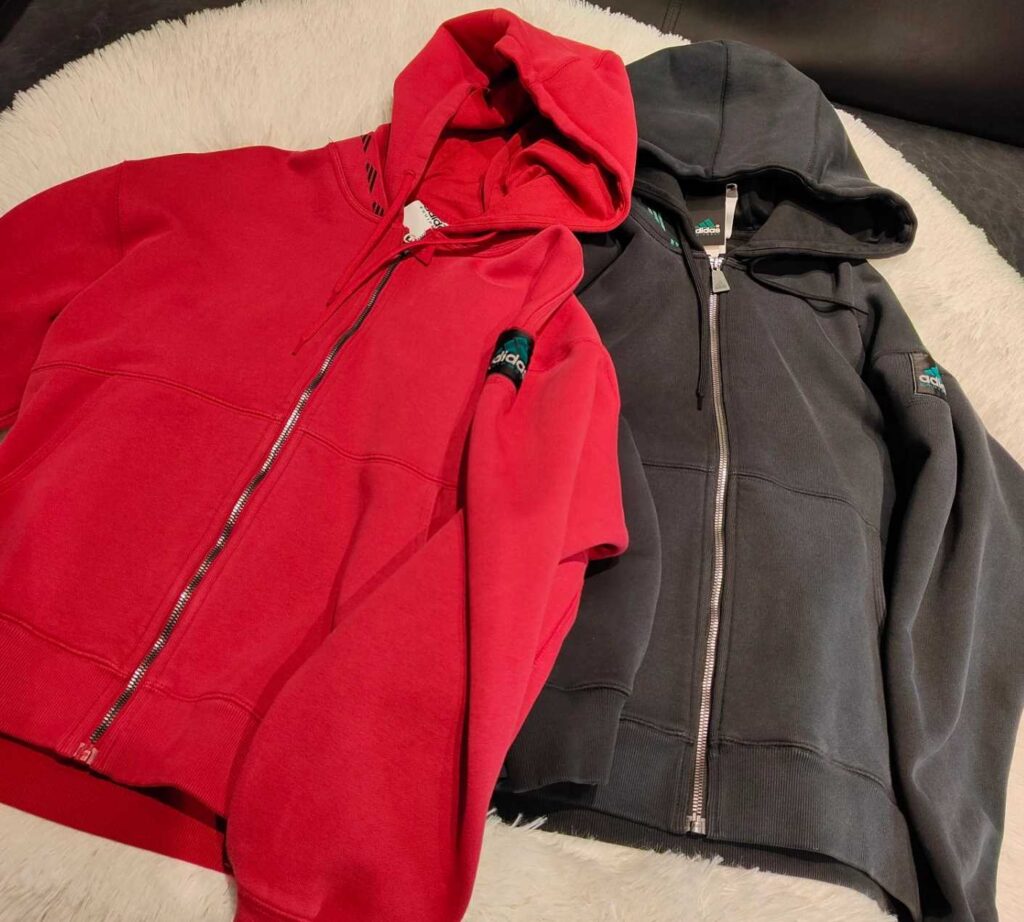
Hoodies
Heavyweight Fleece + Rib / Sewing Construction
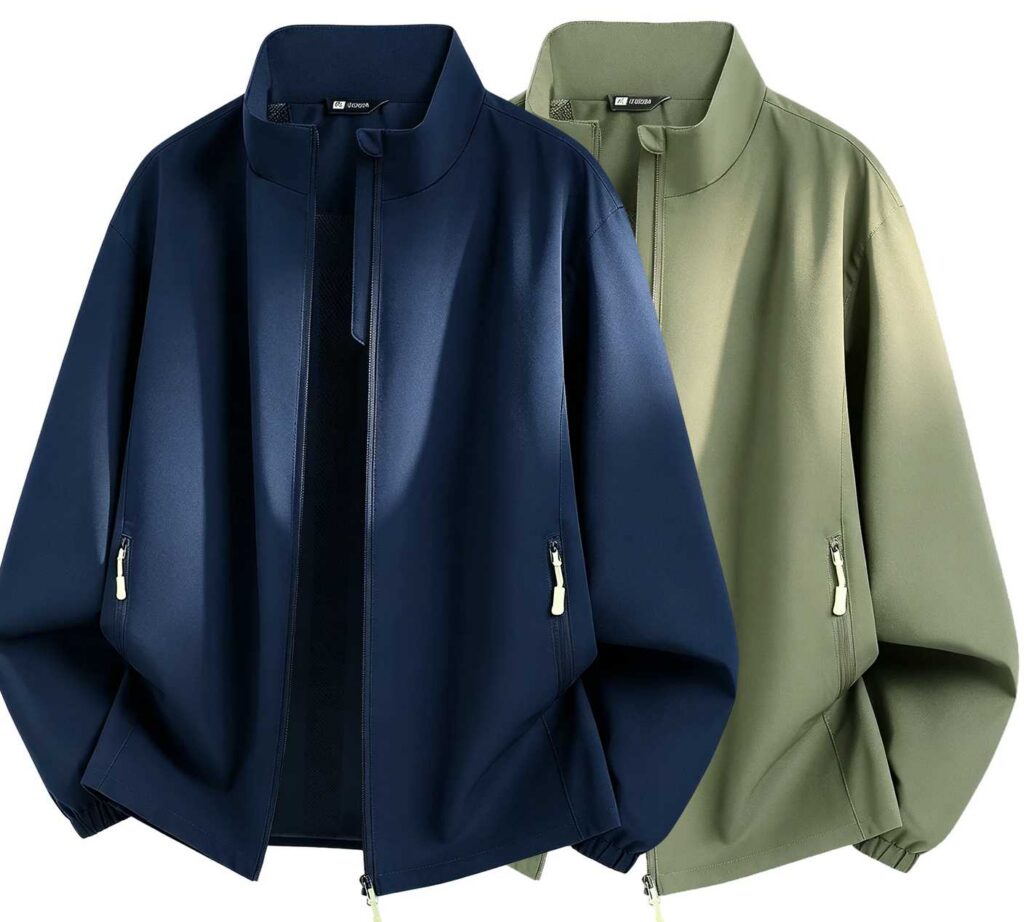
Outerwear
Technical Fabric + Bonding / Seam Sealing
RESPONSIBLE MATERIAL OPTIONS
Material Requirements Can Go Beyond Performance
Some brands also have specific requirements around recycled content, certified materials or lower-impact options.
Where these requirements are part of the project, we can discuss suitable sourcing options and request supporting material information from the supplier where available.